
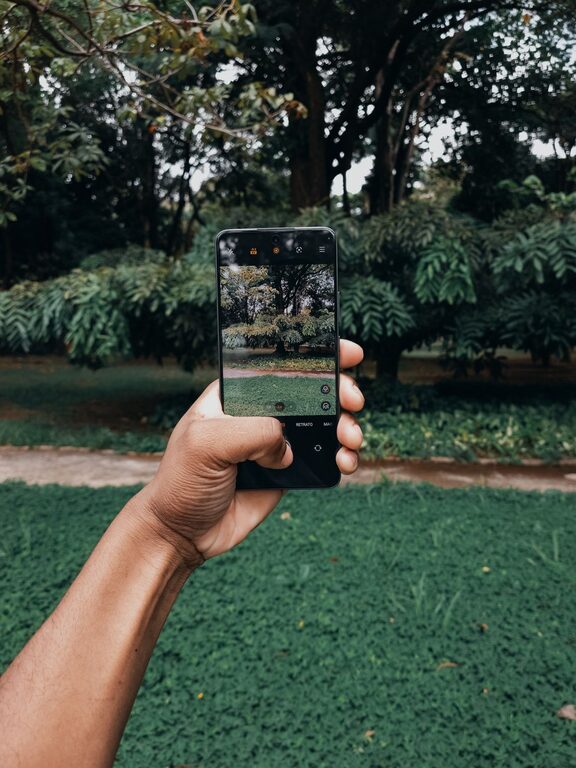
Beginner Tips for Taking Better Phone Photos Every Time
Taking great photos with your phone can be easier than you think. Whether you’re capturing everyday moments, scenic landscapes, or memorable events, a few straightforward tips can help you improve your phone photography skills and create images you’ll be proud to share. This guide covers beginner-friendly advice to get the most out of your phone camera.
Understand Your Phone Camera Basics
Before diving into more advanced techniques, take some time to explore your phone’s camera app. Most smartphones offer multiple modes and settings that can enhance your photos.
– Explore Camera Modes: Check for modes like portrait, panorama, night, or manual mode. Each is designed for different shooting conditions.
– Learn About Focus and Exposure: Tap the screen to set the focus point. Adjust brightness by sliding your finger up or down after tapping.
– Use Grid Lines: Enable grid lines in your camera settings to help compose balanced shots using the rule of thirds.
Familiarity with these features makes it easier to take control and shoot better photos.
Find Good Lighting
Lighting is one of the most important factors in photography. Good lighting can make or break a photo.
– Natural Light is Your Friend: Whenever possible, shoot in natural light. Outdoors during the golden hours — shortly after sunrise or before sunset — offers warm, flattering light.
– Avoid Harsh Midday Sun: If shooting outdoors, midday sun can create strong shadows and highlights. Look for shaded areas or wait for softer light.
– Use Indoor Lighting Wisely: When indoors, position your subject near a window or lamp to add brightness. Avoid overhead lights that can cast unflattering shadows.
– Try Backlighting Creatively: Positioning the light source behind your subject can create interesting silhouettes and effects but requires careful exposure adjustments.
Steady Your Shot
Blurry photos are often caused by camera shake. Here’s how to keep your phone steady:
– Use Both Hands: Hold your phone with both hands to provide stability.
– Lean on a Surface: Rest your arms or phone on a table, wall, or other steady support.
– Use a Tripod or Phone Stand: Affordable tripods designed for phones can greatly improve stability, especially in low light.
– Use Timer or Voice Trigger: Avoid shaking by using the timer or voice commands to take the photo without touching your phone.
Compose with Care
Good composition guides the viewer’s eye and makes your photo more engaging.
– Apply the Rule of Thirds: Divide your frame into thirds both vertically and horizontally. Place important elements along these lines or at their intersections.
– Keep It Simple: Avoid cluttered backgrounds that distract from your subject.
– Use Leading Lines: Roads, fences, or pathways can draw the viewer’s eye to your main subject.
– Fill the Frame: Get closer to your subject to capture details and create impact.
– Experiment with Angles: Try shooting from different heights or perspectives to find the most interesting view.
Use Your Phone’s Features
Your phone has built-in features designed to enhance photos:
– HDR Mode: High Dynamic Range helps balance bright and dark parts of an image, great for scenes with strong contrast.
– Portrait Mode: Creates a blurred background effect to make your subject stand out.
– Zoom Carefully: Avoid digital zoom which reduces image quality; instead, move closer to your subject.
– Edit Thoughtfully: Use simple editing apps to adjust brightness, contrast, or crop. Avoid over-editing which can make photos look unnatural.
Practice and Experiment
The best way to improve is by practicing regularly.
– Shoot Often: Take photos daily to experiment with different settings, subjects, and lighting.
– Review Your Photos: Look critically at your shots to understand what works and what doesn’t.
– Try New Subjects: Photograph people, nature, objects, and action to broaden your skills.
– Learn from Others: Follow photography blogs, social media accounts, or join communities to get inspiration.
Avoid Common Mistakes
Awareness of common pitfalls helps you avoid them:
– Don’t Overuse Flash: Phone flash can create harsh light and unnatural colors. Use it only when necessary.
– Watch Your Background: Before shooting, check the background for distractions or unwanted objects.
– Mind the Lens Cleanliness: Wipe your lens regularly to prevent blurry or hazy photos.
– Don’t Rely Solely on Auto: Explore manual adjustments to gain more creative control.
Conclusion
Improving your phone photography doesn’t require expensive equipment or complex knowledge. By understanding your camera’s features, paying attention to lighting and composition, and practicing regularly, you can capture beautiful, memorable photos that tell your story. Start experimenting today and watch your skills grow!
