
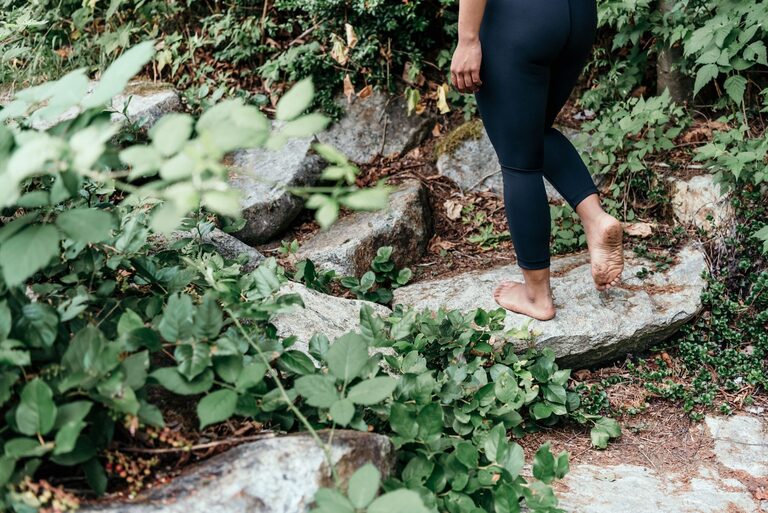
Beginner Guide to Mindful Walking: Steps to Calm and Clarity
Mindful walking is a gentle practice that combines the natural movement of walking with the focused awareness of mindfulness. It helps you connect with the present moment, reduce stress, and improve both mental and physical well-being. Whether you’re new to mindfulness or looking for a way to enhance your daily routine, this beginner guide will walk you through the basics of mindful walking.
What is Mindful Walking?
Mindful walking means paying close attention to the experience of walking. Instead of walking on autopilot, you bring intentional awareness to each step, sensation, and breath. This practice encourages living in the here and now, noticing details you might normally overlook.
Unlike a regular walk, mindful walking isn’t about reaching a destination quickly or exercising vigorously. It’s about slowing down and appreciating the simple act of moving.
Benefits of Mindful Walking
Practicing mindful walking can have many positive effects, including:
– Reduced stress and anxiety: Focusing on your steps and breathing helps calm the mind.
– Improved concentration: Mindful walking trains your attention to stay present.
– Enhanced mood: Spending time outdoors and practicing mindfulness can boost happiness.
– Better body awareness: You become more in tune with your posture and sensations.
– Physical health: Even slow, mindful walking encourages gentle movement and circulation.
Getting Started: What You Need
No special equipment is required to start mindful walking. Here’s what you need to begin:
– Comfortable shoes or bare feet if you are walking on a safe surface.
– A quiet place where you can walk undisturbed, like a park, trail, or even inside your home.
– A few minutes of free time. Start with 5 to 10 minutes and gradually increase if you wish.
Step-by-Step Guide to Mindful Walking
1. Prepare and Settle In
Find a quiet spot and stand still for a moment. Take a few deep breaths, feeling the air enter and leave your lungs. Notice how your feet connect with the ground. Set an intention for your practice, such as “I will be present with each step.”
2. Begin Walking Slowly
Start walking at a slower pace than usual. This helps you focus more easily on the sensations of walking. Pay attention to the lifting, moving, and placing of your feet.
3. Focus on Sensations
As you walk, notice:
– The feeling of your feet touching the ground.
– The movement of your legs and hips.
– The rhythm of your breath.
– The sounds around you.
– The sensations of wind, sun, or temperature on your skin.
If your mind wanders, gently bring your attention back to these sensations without judgment.
4. Coordinate Breathing with Steps (Optional)
Some people find it helpful to coordinate their breath with their steps, for example:
– Inhale for three steps.
– Exhale for three steps.
This adds a rhythm that can deepen your focus.
5. Use Your Senses Fully
Engage your senses to enhance mindfulness:
– Notice colors and shapes.
– Smell the air and nearby plants.
– Listen to birdsong, footsteps, or rustling leaves.
Observing your environment without labeling or judging helps deepen presence.
6. End with Stillness
When you finish your walk, stand or sit quietly for a minute. Notice how you feel physically and mentally. Take a few deep breaths and express gratitude for the experience.
Tips for Successful Mindful Walking
– Start small: Begin with short sessions and build up gradually.
– Practice regularly: Consistency is more important than duration.
– Be patient: It’s normal for your mind to wander; kindness to yourself is key.
– Choose any time or place: You can practice mindful walking indoors or outdoors.
– Combine with other mindfulness exercises: Try mindful breathing or body scans before or after walking.
Common Challenges and How to Overcome Them
– Restlessness or impatience: Remind yourself that mindful walking is not about speed but awareness.
– Distracting thoughts: When thoughts arise, gently guide your focus back to walking sensations.
– Uncomfortable weather or environment: Adapt by choosing indoors or dressing suitably.
Mindful Walking Variations to Explore
– Nature walk: Explore a garden, trail, or park, focusing on natural surroundings.
– Labyrinth walking: Use a labyrinth path as a structured route for meditation.
– Group mindful walking: Practice with friends or a mindfulness group to share the experience.
– Walking meditation apps: Use guided audio to support your practice.
Final Thoughts
Mindful walking is a simple yet powerful way to cultivate calm and awareness in everyday life. It’s accessible to most people and can be tailored to your lifestyle. By dedicating just a few minutes to this practice, you can experience greater peace, clearer focus, and a stronger connection with yourself and the world around you.
Why not take your first mindful steps today? Put on your shoes, breathe deeply, and enjoy the journey, one mindful step at a time.
