
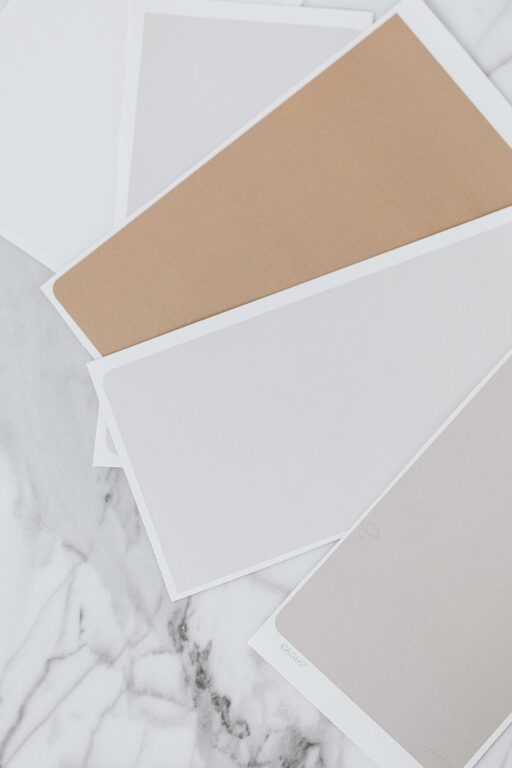
Tips for Choosing Calm Colors for Your Home
Creating a calm and inviting atmosphere in your home often starts with the colors you choose for your walls and décor. Calm colors can transform any space into a peaceful retreat, helping reduce stress and promote relaxation. But with so many options available, how do you select the perfect shades that fit your style and create the soothing environment you desire?
In this post, we’ll share helpful tips on choosing calm colors for your home, exploring how color influences mood, practical ways to select shades, and ideas for combining colors effectively.
Why Choose Calm Colors for Your Home?
Colors have a powerful impact on our emotions and energy levels. Calm colors, often soft hues like gentle blues, muted greens, or warm neutrals, encourage tranquility and balance. Using these colors in your home can:
– Reduce feelings of stress and anxiety
– Promote relaxation and restful sleep
– Create a welcoming and comfortable atmosphere
– Enhance natural light and space perception
Whether you are redecorating a bedroom, living room, or any other space, calm colors are a great choice to help you unwind and feel at ease.
Understanding Color Psychology
Before picking colors, it’s useful to understand how different shades and tones affect your mood:
– Blue: Known as a calming color, blue reduces tension and lowers heart rates. Light blues evoke serenity, while deeper blues add depth.
– Green: Reminiscent of nature, green symbolizes growth and renewal. Soft greens are refreshing and peaceful.
– Gray: Neutral grays provide a sophisticated backdrop without overwhelming the senses.
– Beige and Warm Neutrals: These colors add warmth without being too bold, promoting comfort and stability.
– Lavender and Pastel Purples: Light purples bring a sense of tranquility and creativity.
Avoid intensely bright or saturated colors if your goal is calmness. Instead, focus on muted or pastel tones that soothe the eyes.
Tips for Choosing Calm Colors
1. Consider the Room’s Purpose
Think about how you use each room. A bedroom benefits from relaxing colors like soft blue or lavender to encourage sleep, while a living room may use warm neutrals to promote conversation and comfort.
2. Test Paint Samples
Colors can appear differently depending on light and surrounding décor. Always try paint samples on your walls and observe them at different times of day before committing.
3. Use Color Families and Harmonies
Stick to colors from the same family or complementary shades for a harmonious look. For example, pairing soft greens with muted blues creates a cohesive, calming palette.
4. Balance With Neutrals
Neutral colors such as whites, grays, and beiges help balance bolder calm colors. They provide breathing space and prevent the colors from feeling overwhelming.
5. Texture and Materials Matter
Calm colors work well when combined with natural materials like wood, linen, or cotton. The textures add warmth and interest while maintaining a peaceful vibe.
6. Limit the Number of Colors
Using too many colors can create visual chaos. Aim for a palette of two to four calm colors to keep the space serene.
7. Consider Accent Colors
Introduce subtle accents like soft coral, blush pink, or muted mustard to add dimension without disturbing the calmness.
Popular Calm Color Schemes for Inspiration
Soft Blue and White
A classic combination that evokes coastal calmness. Use soft blue walls with white trim and furnishings to keep the room bright and airy.
Sage Green and Warm Beige
Sage green walls paired with beige accents create a natural, grounded atmosphere perfect for living rooms or kitchens.
Light Gray and Pastel Lavender
This pairing offers a modern yet tranquil feel, ideal for bedrooms or meditation spaces.
Cream and Dusty Rose
For a cozy and warm environment, cream-colored walls with dusty rose furnishings add softness and elegance.
Final Thoughts
Choosing calm colors for your home is all about creating a space where you feel relaxed and comfortable. Pay attention to how colors make you feel, test samples, and keep your overall vision in mind. With a bit of planning and these tips, you can turn your home into a peaceful sanctuary that welcomes you every day.
Remember, the best calm colors are the ones that resonate with you personally, making your home a place of rest and happiness. Happy decorating!
