
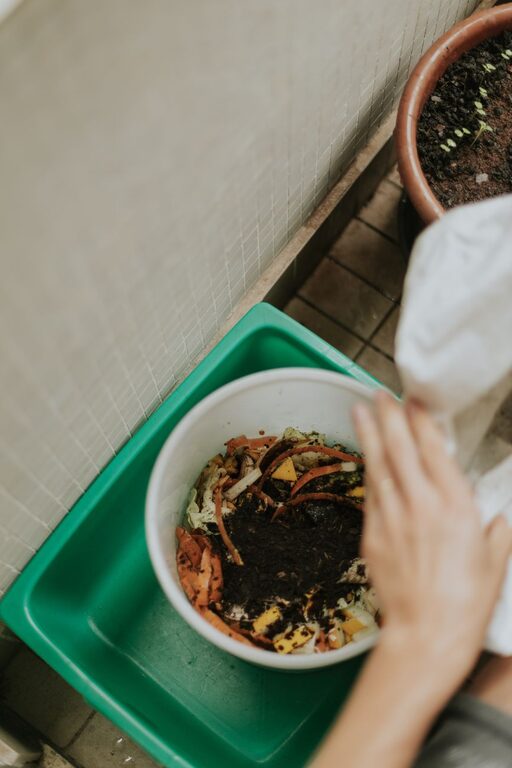
Beginner Tips for Composting at Home: A Simple Guide to Start
Composting at home is an excellent way to reduce kitchen and garden waste while producing nutrient-rich soil for your plants. If you’re new to composting, it might feel a bit overwhelming, but with a few simple tips, you can create an effective compost system right in your backyard or even indoors. This guide will walk you through the basics and provide helpful advice to get started.
What Is Composting?
Composting is the natural process of recycling organic matter like food scraps and garden waste into a valuable soil amendment called compost. This dark, crumbly material enriches soil, helps retain moisture, and supports healthy plant growth.
Why Should You Compost at Home?
– Reduce Waste: Composting diverts a significant amount of kitchen and yard waste from landfills.
– Improve Garden Health: Compost adds nutrients and beneficial microorganisms to your soil.
– Save Money: You can reduce the need to buy fertilizers or store-bought soil conditioners.
– Support Sustainability: Composting lowers greenhouse gas emissions by reducing organic waste in landfills.
Getting Started: Choosing a Composting Method
There are several ways to compost at home. The best method depends on your space, time, and preferences.
Outdoor Compost Bins
– Simple Bins: These are enclosed containers or piles in your backyard.
– Tumbler Composters: Rotatable bins that make turning compost easy.
– Open Piles: Just a designated space to pile your compost materials.
Indoor Composting
– Worm Composting (Vermicomposting): Using worms to break down food scraps in a bin.
– Electric Composters: Machines that speed up composting, suitable for small kitchens.
What to Compost: The Basics of Greens and Browns
Successful composting depends on balancing the right materials.
Greens (Nitrogen-Rich)
– Fruit and vegetable scraps
– Coffee grounds and tea bags
– Fresh grass clippings
– Plant trimmings
Browns (Carbon-Rich)
– Dry leaves
– Straw or hay
– Shredded paper and cardboard
– Small branches or twigs
Aim for roughly 2-3 parts browns to 1 part greens for the best results. Too much green can cause odor problems, while too much brown slows decomposition.
Composting Do's and Don'ts
Do:
– Chop or shred larger materials to speed up composting.
– Turn or mix your compost regularly to provide oxygen.
– Keep your compost moist, like a damp sponge.
– Add new materials gradually.
Don't:
– Add meat, dairy, or oily foods—they attract pests.
– Include diseased plants or invasive weeds.
– Use pet waste from carnivores, which can carry harmful pathogens.
Step-by-Step Guide to Starting Your Compost Bin
- **Select a Location:** Choose a well-drained spot with some shade.
- **Set Up Your Bin:** Use a commercial compost bin or build a simple enclosure.
- **Add Browns and Greens:** Start with a layer of browns, then alternate with greens.
- **Maintain Moisture and Aeration:** Water if dry and turn your pile every week or two.
- **Wait and Monitor:** Composting can take a few months; you’ll know it’s ready when it looks dark and crumbly with an earthy smell.
Tips for Success
– Use a compost thermometer to check the temperature (ideal is 130-160°F) for active composting.
– Add garden soil or finished compost to introduce beneficial microbes.
– Be patient; composting is a natural process that takes time.
– Use finished compost to enrich garden beds, potting soil, or as mulch.
Troubleshooting Common Problems
– Bad Smell: Usually from too much green or moisture; add more brown materials and turn the pile.
– Slow Decomposition: May need more greens, moisture, or turning.
– Fruit Flies or Pests: Cover food scraps with browns and make sure the bin is closed or has a lid.
Conclusion
Starting a home composting system is a rewarding way to reduce waste and nurture your garden. With simple steps and regular care, even beginners can enjoy the benefits of composting. Remember, every small effort helps create a healthier environment!
Happy composting!
